The moments that built Afrobeats Oslo.
Not a full museum timeline and not a random pile of flyers. Just the major shifts that changed the scene's legitimacy, scale, and confidence in Oslo.
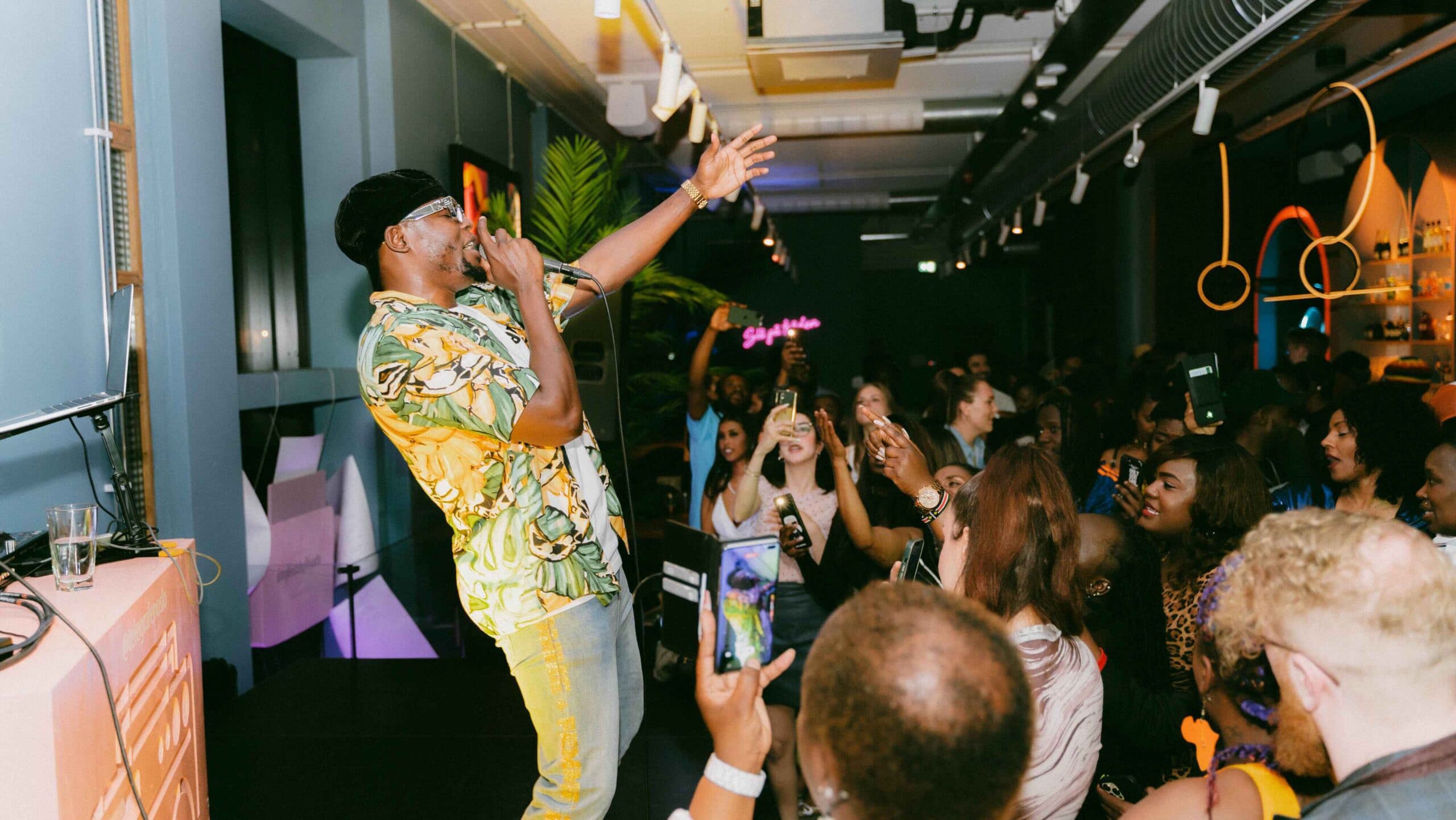
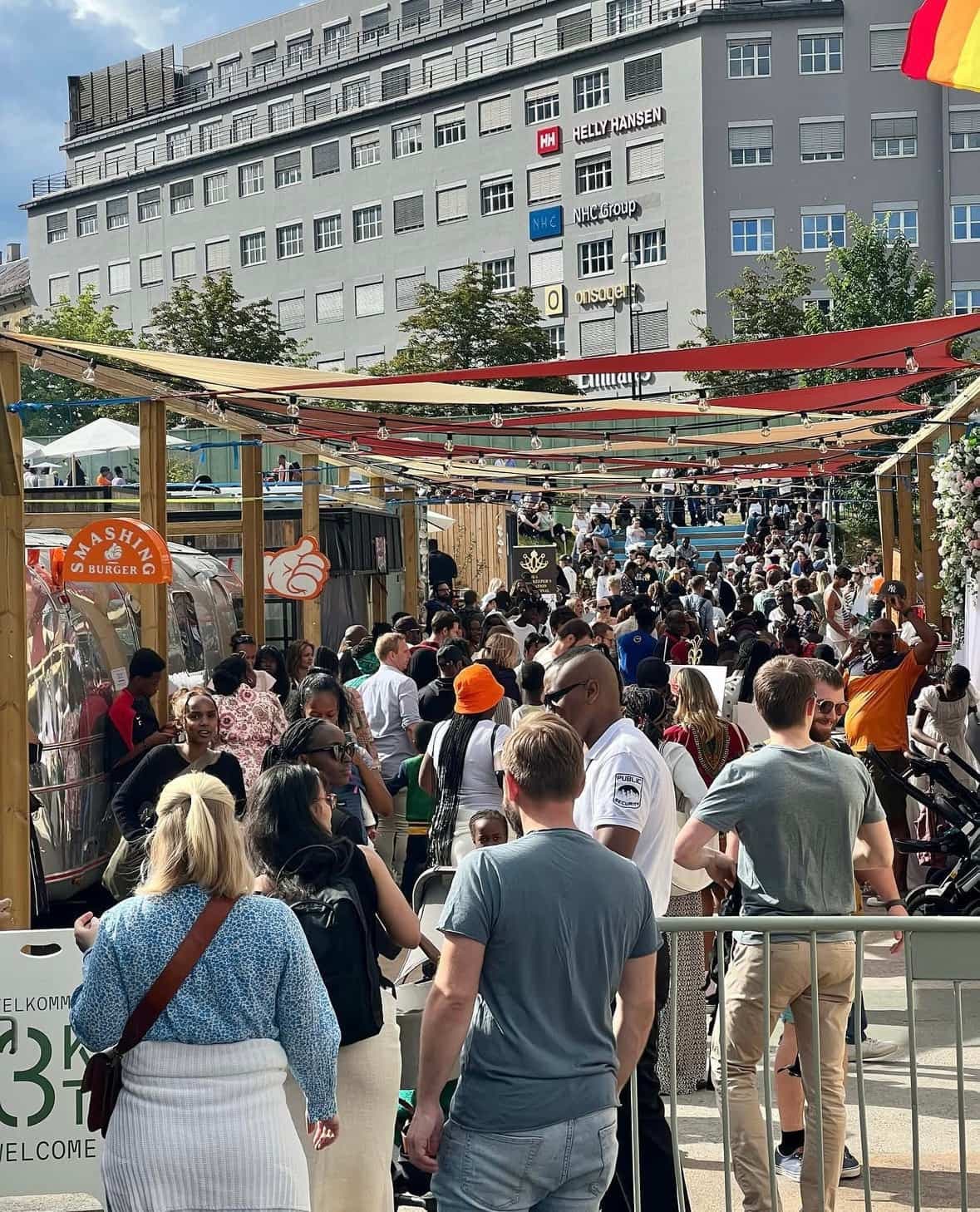
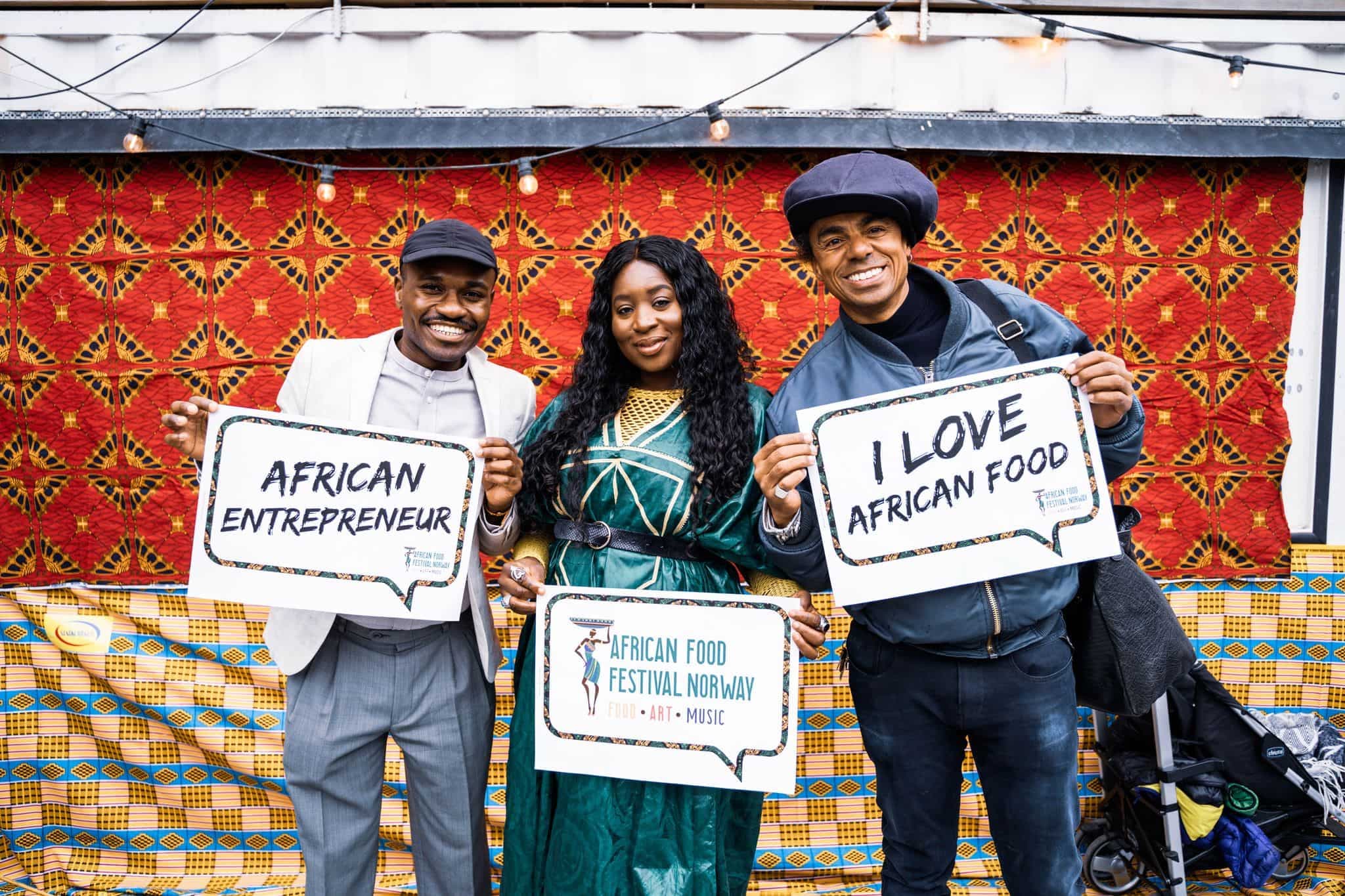
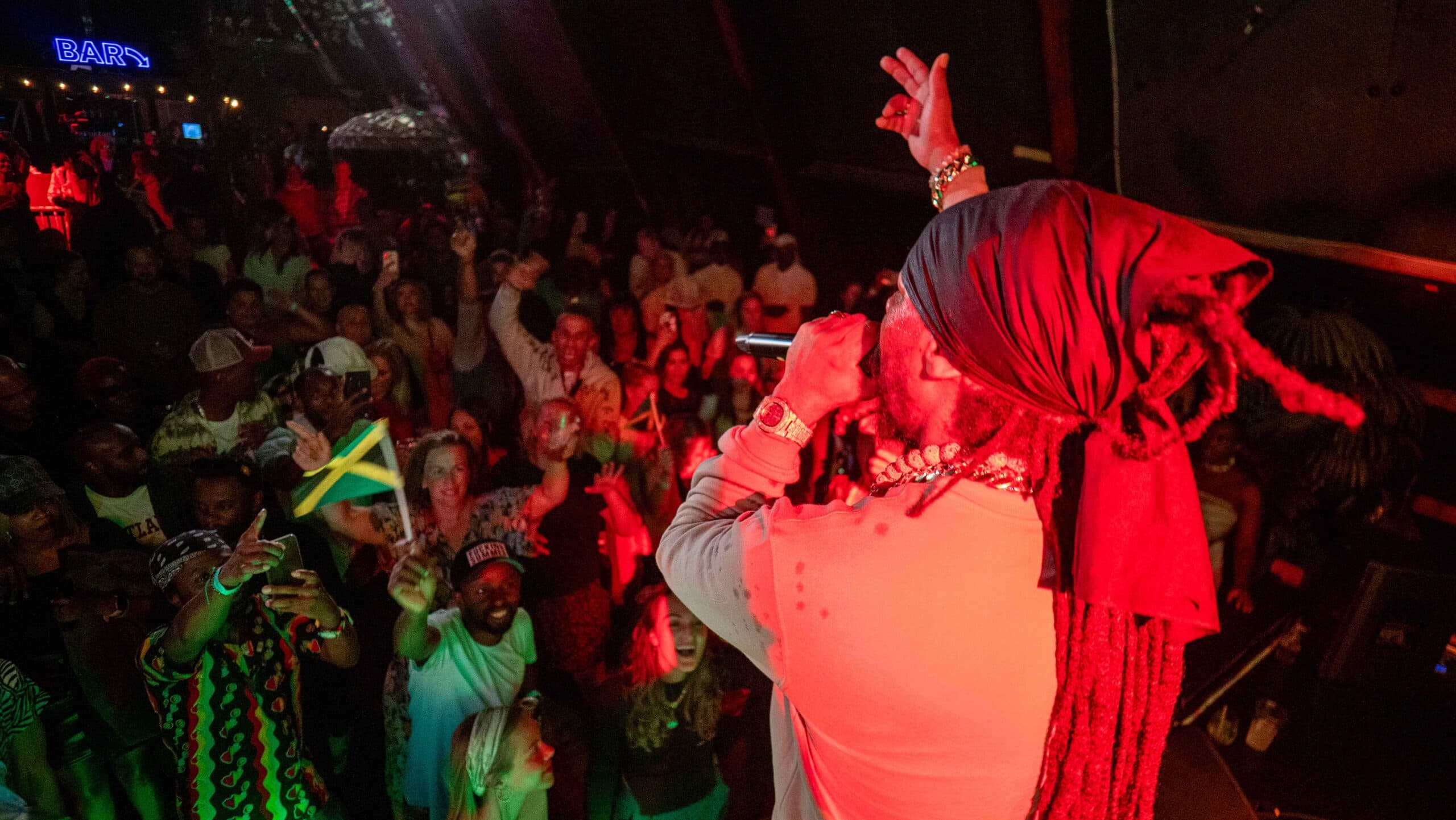
The easiest way to flatten Afrobeats Oslo is to mistake it for a list of parties. The scene is bigger than that and more specific than that. What actually built it was a handful of institutions, promoters, public festivals, and venue moments that kept returning until the city had to admit something durable was happening.
That is the frame for this scene file. Not every flyer belongs in the archive. Not every sold-out room changes the weather. The useful question is simpler: which moments changed scale, visibility, legitimacy, or confidence in a lasting way?
The scene won twice: first by surviving without validation, then by becoming too visible to ignore.
The roots were public before they were fashionable
Oslo Afro Arts matters because it predates most of the current hype and because it never limited African culture to nightlife. Oslo kommune's 2024 grant papers describe OAAF's 10-year jubilee, held from 31 August to 1 September 2024, as a program spread across Cafeteateret, Nasjonalmuseet, Gronland kirke, Forandringshuset, and Interkulturelt Museum.
That detail matters. A scene that can occupy those rooms, on Groenland and beyond, is already operating as public culture. OAAF was building legitimacy through music, spoken word, dance, debate, children's programming, and market logic long before the wider city decided Afrobeats looked commercially irresistible.
March 17, 2018: Club Afrique turns the feeling into infrastructure
MFA Events dates Club Afrique's launch to 17 March 2018 and traces the idea back to a house-party atmosphere of joy, belonging, and summer energy. That origin story is useful because it explains the room correctly. Club Afrique was never only about importing an artist or copying London. It was about creating a recurring Oslo space where nobody had to explain the music first.
The long-term significance is repetition. A one-off event can prove appetite. A recurring concept builds memory, habits, and trust. Club Afrique kept afrobeats, amapiano, dancehall, soca, reggae, and hip-hop in circulation until the city started to treat that circulation as normal nightlife rather than a side scene.
Food became one of the scene's biggest public doors
Utrop's 2022 profile of Kinam Konlan notes that she started African Food Festival Norway in 2018. That is one of the key dates in this whole story, because food gave the culture a different kind of entry point: broad, family-facing, outdoor, and hard to dismiss as niche nightlife.
By 2025, Oslo kommune's city-life grant papers described African Food Festival Norway as a free and inclusive event at 3KT and noted that the previous edition drew 10,000 participants. That is a serious number in Oslo. It means African music, food, and market culture were no longer reading as community-only. They were reading as urban scale.
Then the live room sizes changed
Nightlife proved local appetite, but live bookings changed the argument. Evently listed Tiwa Savage at Vulkan Arena on 18 June 2022 and Omah Lay there on 5 September 2022. Those dates helped show that current Afropop names could be sold as headline live entertainment in Oslo without being reduced to nostalgia, novelty, or diaspora-only demand.
Once those bets start landing, promoters get braver, venues get less nervous, and audiences start expecting the city to be part of the routing conversation. That is how a scene moves from surviving inside its own rooms to negotiating with the city's bigger stages.
August 2023: Oya catches up
A lot of cities claim crossover too early. Oya 2023 looked like the real thing. Dagsavisen described Slottsfjell and Oya booking Rema and Wizkid as a new level, while Jazz i Norge framed the combination of Wizkid, Ayra Starr, and Uncle Waffles as a historic step for Afropop in Norway.
The point was not only star power. It was context. Once one of Oslo's clearest mainstream festival institutions gives that much visible space to Afropop and adjacent African dance music, the sound is no longer asking for the city's attention. It already has it.
The rooms diversified, then the institutions followed
In February 2023, The Afro Room at Faksen Bar was marketed as a space for everyone who loves afro-music, culture, and good vibes, spanning afrobeats, amapiano, afrohouse, dancehall, reggae, and hip-hop. That matters because it shows Oslo moving beyond one dominant party format toward more specialized room identities.
By 2024, the crossover had reached museum walls. MUNCH was programming House of Afro, while Arif's MUNCH season also brought the collective into the building. House of Afro describes itself as Oslo's biggest afrohouse club concept. Once that sound is being carried by a flagship museum as well as the club circuit, the city is no longer treating it as peripheral culture.
2025 made the market signal louder
By 2025, the promoter circuit was booking with more visible confidence. MFA's event run included Ya Levis at Rockefeller on 8 June 2025. Checkin billed Club Afrique's 11 July 2025 Shenseea show at Wallmans as her Norway debut. The genre lines here stretch wider than strict Afrobeats, but that is part of the story too. Oslo's Afro-facing audience is strong enough to support adjacent Caribbean and pan-African bookings under the same broader cultural banner.
That is where the scene sits now: still community-built, still vibe-led, but increasingly impossible to ignore in public culture, festival logic, city funding language, and big-room booking decisions. The magazine should cover it that way - with atmosphere in the foreground and the proof sitting underneath.
Never miss a story
New features every week.